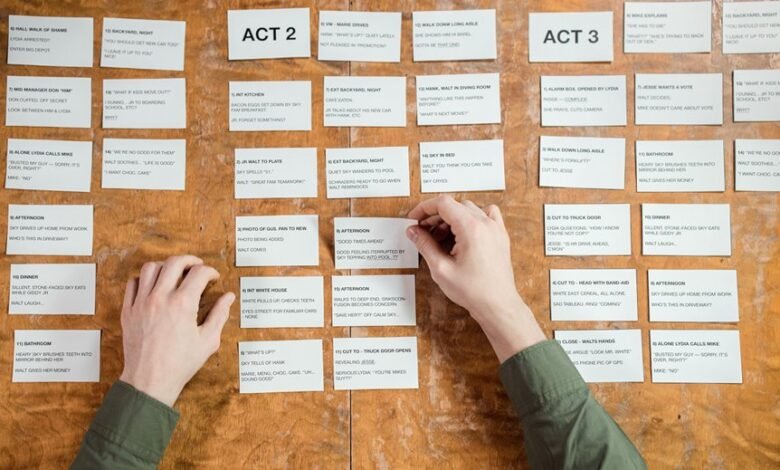
Storyboard planning operates within unseen constraints that quietly steer sequence and emphasis. Time and budget trim shot count, gear, and locations, tightening economies without sacrificing core intent. Audience needs demand a balance of clarity and rhythm, aided by cues and captions that sustain autonomy. Iteration cycles reveal durable fixes amid quick feedback, while modular panels map requirements to scalable progress. The result is a disciplined framework that constrains yet enables decisive, expressive storytelling, inviting the next deliberate step.
What Storyboard Limits Actually Shape Your Plan
Storyboard limits function as the invisible frame that channels a plan’s direction. They reveal how storyboard constraints mold sequence, pacing, and focus, guiding creators toward intentional choices. Visual clarity emerges from defined boundaries, not excess.
Planning tradeoffs surface when resources constrain scope, forcing prioritization. This framing preserves freedom by clarifying what matters, enabling decisive, expressive storytelling within reachable, sharable frame margins.
Time and Budget Constraints That Throttle Your Scenes
Time and budget constraints act as the blunt scalpel trimming a plan to fit within available resources, narrowing scenes without sacrificing core intent.
Time constraints pressure shot count, transitions, and pacing, while budget limits dictate equipment, locations, and crew.
The result is a visual discipline: every frame earns its place, preserving clarity, freedom, and purpose despite imposed boundaries.
Audience Needs: Balancing Clarity With Pacing
In production planning, audience needs a careful balance between clarity and pacing: information must land clearly without stalling the narrative flow.
The storyboard presents scenes with measured tempo, guiding viewer attention through visuals that reinforce purpose.
Audience empathy informs emphasis; pacing clarity prevents confusion.
Clear cues, concise captions, and purposeful transitions align artistic intent with viewer autonomy.
How Overfixation and Iteration Cycles Influence Fixes
Overfixation and iteration cycles shape the fixes by anchoring attention to process dynamics as much as to outcomes. The design team monitors how overfixation cycles distort priorities, then rebalances through rapid feedback loops. Iteration dynamics reveal which fixes endure under scrutiny, where pressure reveals hidden dependencies. Clear visualization captures constraint shifts, guiding disciplined choices without surrendering creative scope or personal freedom.
Practical Guidelines to Storyboard Within Real-World Constraints
Storyboard within real-world constraints requires a disciplined, visual approach: teams map scene requirements, available assets, and timing windows to a concise sequence that preserves narrative clarity while honoring practical limits.
The method emphasizes concept clarity and shot economy, aligning creative intent with feasibility.
It favors modular panels, scalable detail, and disciplined sequencing, enabling freedom within boundaries and rapid, deliberate decision-making.
Frequently Asked Questions
How Do Personal Biases Skew Storyboard Decisions?
Personal biases skew storyboard decisions by shading choices, favoring familiar visuals over novel paths. They obscure risks, prompting hidden risks and storyboard reversals, as intuition overrides data. The result is constrained perception, reducing creative freedom and objective alignment with audience needs.
What Hidden Risks Do Storyboard Reversals Introduce?
Hidden risks from storyboard reversals include misaligned shot sequencing and rushed abandon storyboard moments, while personal biases, tools overwhelm, and accessibility goals threaten creative confidence; storyboard decisions demand disciplined use of storyboard draft and careful evaluation before proceeding.
Can Tools Overwhelm Creative Confidence in Planning?
Tools overwhelm confidence planning, yet the mind adapts. A steady routine reframes pressures into visuals; tools become allies, not tyrants. The observer notes rhythms, flows, and margins, preserving creative autonomy while guiding disciplined, freedom-oriented storyboard decisions.
How Do Accessibility Goals Affect Shot Sequencing?
Accessibility goals influence shot sequencing by prioritizing clarity and inclusive framing, guiding storyboard decisions; personal biases shape pacing, while hidden risks prompt reversals. Tools overwhelm creative confidence, prompting an abandonment of drafts in storyboard planning for freedom.
When Should You Abandon a Storyboard Draft?
Abandonment should occur when clarity vanishes and risks outweigh value. The film discipline notes that abandonment timing signals pivot points; a draft revision cadence governs subsequent iterations, ensuring improvements without endless looping. It remains a precise, liberating professional choice.
Conclusion
In this disciplined craft, constraints sculpt the storyboard into a lean, legible map. Time and budget trim excess, forcing modular panels and crisp transitions that nonetheless preserve intent. Audience cues and captions anchor clarity amid rhythm—neither dull nor rushed. Iteration cycles prune the frills, revealing durable fixes that scale. The plan remains a precise, visual compass, guiding production from idea to frame-by-frame realization, like a blade cutting through fog to reveal the intended path.